Server 2.0
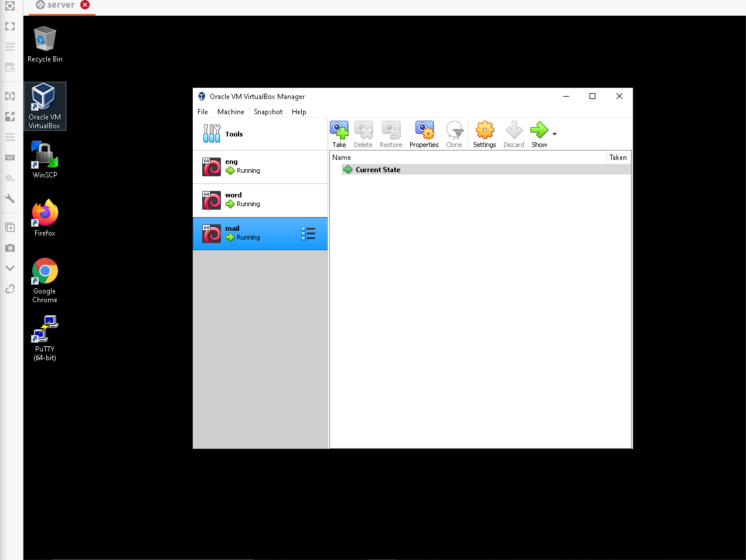
The first iteration of this server it was a physical server running Ubuntu. It had the following functions:
- Shop Computer (For Playing Music, Looking Up Torque Specs or HowTo Videos/Guides)
- A Media Server (Plex)
- A Network Management Server (Observium, Nagios, RANCID, Smokeping etc)
- A Webserver (8 websites including 6 WordPress Blogs)
That was asking a lot…even for a recently retired gaming computer and fairly minimal amount of server traffic. I learned I had to log out of my desktop session when I was done working in the shop or it would freeze up. Movies on Plex would typically freeze and have to be restarted at least once before they were over. I had backups setup and working, but they were not reliably running and I ran into disk check issues a couple times. Finally one Saturday night Plex simply failed to play movies.
Upon investigation the next day I found all kinds of strange issues that lead me to believe I had a failing hard drive. Some time after setting the server up I came upon a couple 8TB SATA hard drives out of a retired Netflix Cache that were a perfect fit for a web and media server. With the operating theory that I had a disk failure I swapped out the old drives for the 8TB drives and decided a new strategy was in order. I was going to convert the server functions into virtual machines to both split the functions up and make the new servers portable so they could be easily moved to new hardware when the time came.
After experimenting with a handful of options including Type 1 “bare metal” hypervisors like ESXi and Proxmax and Type 2 “hosted” hypervisors like VMware Workstation or Oracle VirtualBox with various host OSes (Unbuntu, Windows 7, Windows 10) I settled on Windows 10 Pro running VirtualBox.
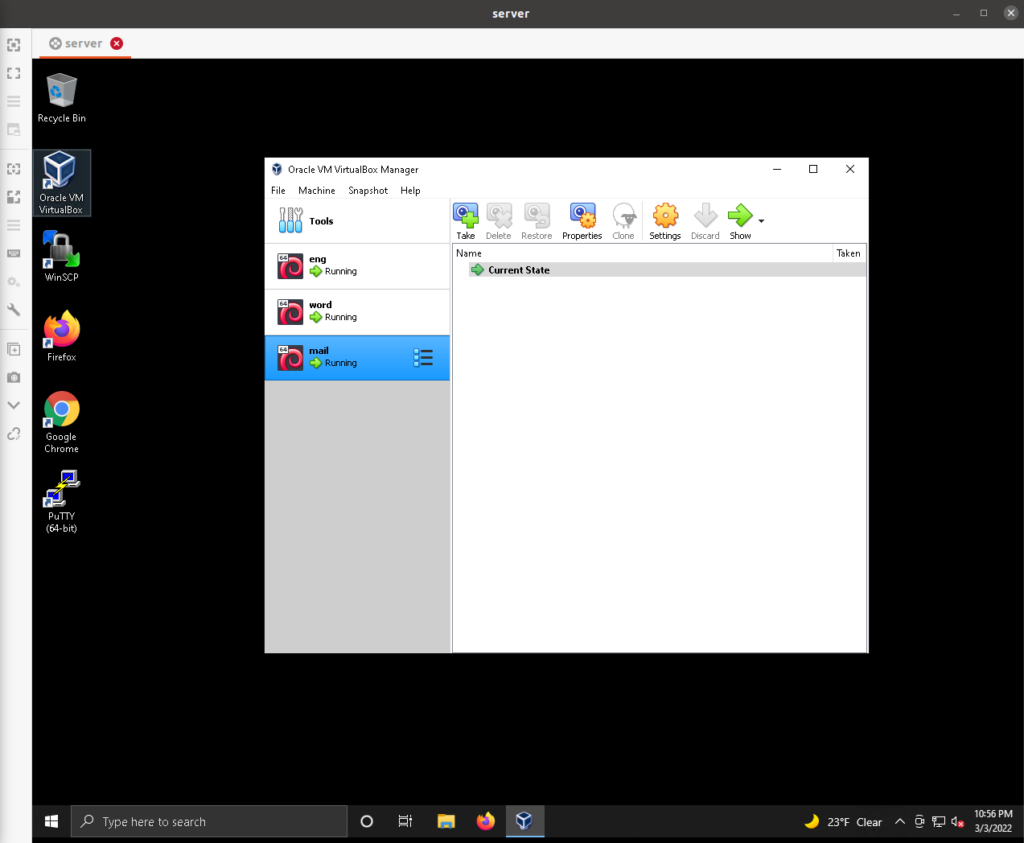
Server Version 2.0 looks like this:
- Shop Computer (Just looks like a standard Windows 10 computer)
- Media Server (Plex running right on Windows 10)
- Network Management Server (Now a VM called eng.)
- Webserver (Now a VM called word)
- New: a E-Mail Server (A VM called mail)
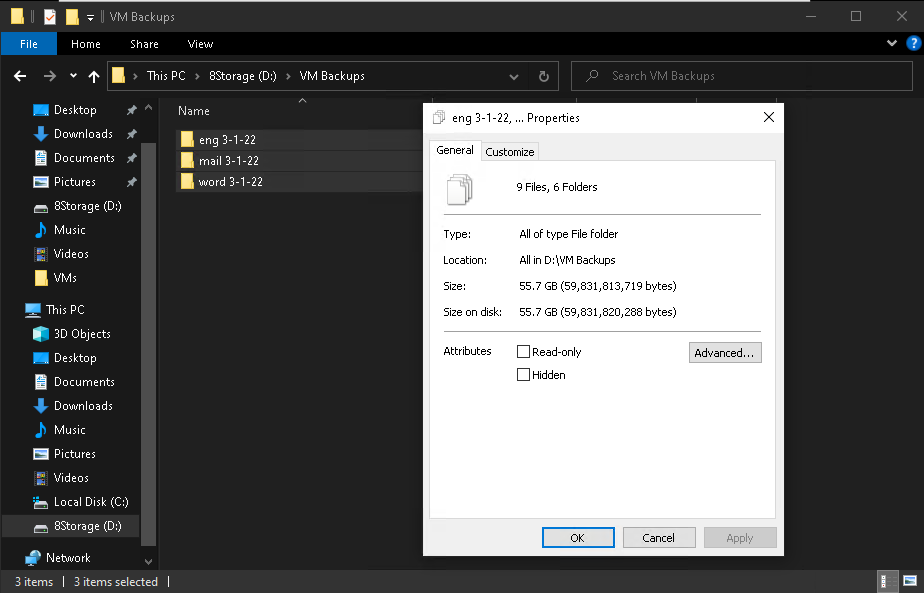
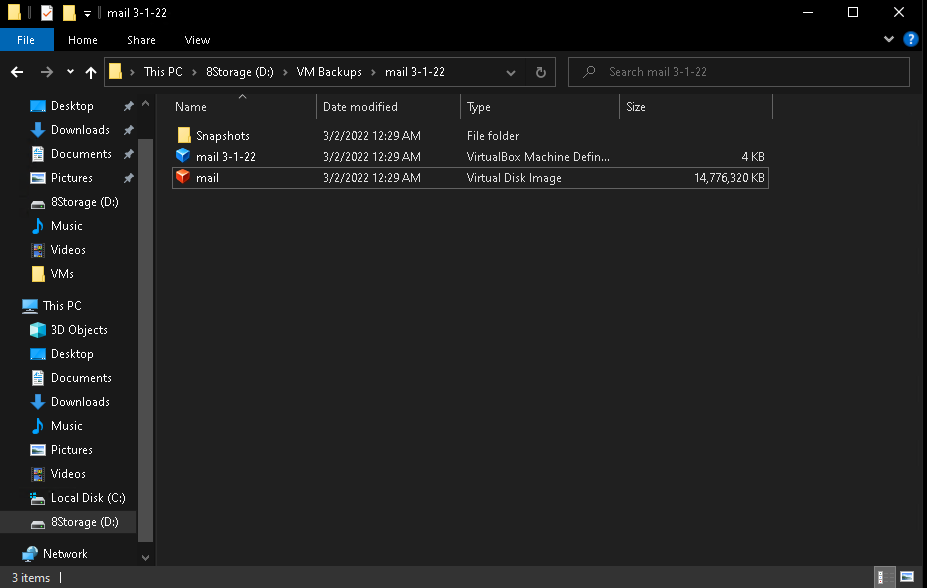
To my surprise everything seems to work better running Windows 10 and three VMs. As I said above now that they are VMs I can back up the entire servers as files and can easily turn them up on another host instead of having to rebuild everything from scratch and restore all of the backups.
Nice!
